Exploring Terzius Medicina Intensiva
Terzius Medicina Intensiva represents cutting-edge critical care in medical environments, marking significant strides in patient treatment and facility management. Originating from a need for advanced intensive care solutions, Terzius offers innovative approaches to patient stabilization, monitoring, and recovery, making it a vital part of contemporary hospital operations.
Understanding Terzius Medicina Intensiva
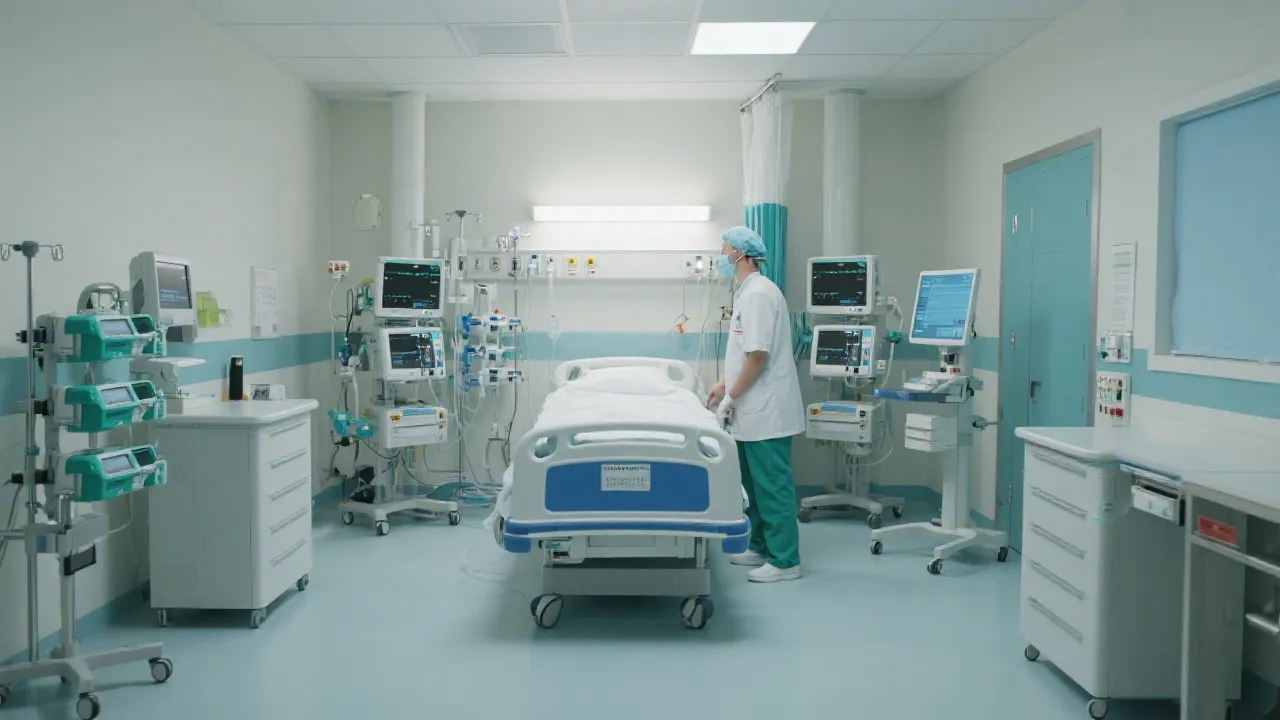
In recent years, Terzius Medicina Intensiva has emerged as a crucial component of modern healthcare, addressing the complex needs of critically ill patients. These intensive care units are equipped with state-of-the-art technology and staffed by highly trained professionals dedicated to delivering exceptional medical care. As hospital systems continue to evolve, Terzius Medicina Intensiva plays a pivotal role, providing a lifeline for patients in critical conditions, often facing life-threatening situations that require immediate and specialized attention.
The care provided in Terzius Medicina Intensiva is not simply about intensive medical intervention; it embodies a holistic approach tailored to the individual complexities of each patient. From multi-organ failure to severe infections, the diverse challenges posed by critically ill patients necessitate an adaptable and knowledgeable healthcare team. The results can be life-changing, transforming what might have been a grim outcome into a path toward recovery.
The Core Components of Terzius Medicina Intensiva
Terzius Medicina Intensiva facilities are designed around several key components that ensure optimal patient outcomes. Advanced monitoring systems provide continuous tracking of vital signs, allowing for immediate responses to any changes in patient condition. These systems, which often include things like non-invasive and invasive monitoring techniques, ensure clinicians receive accurate data in real time. The integration of cutting-edge diagnostic equipment aids in rapid diagnosis and treatment, enhancing the speed and accuracy of medical interventions, helping to ascertain not just the predominant issue but also underlying conditions that may compound the patient’s challenges.
Moreover, these units are supported by multidisciplinary teams, including intensivists who focus exclusively on critical patient care, nurses equipped with specialized skills in intensive care settings, respiratory therapists versed in managing ventilatory support, pharmacists who ensure appropriate medication management, and various specialists who contribute their expertise. This collaborative approach ensures that all aspects of a patient's health are addressed promptly and effectively, creating a comprehensive treatment plan that evolves as the patient’s condition changes.
One fundamental aspect of Terzius Medicina Intensiva is the emphasis on patient safety and quality of care. Every member of the healthcare team is trained to recognize and mitigate risks involved in managing critically ill patients, from infection control practices to medication management protocols. The units also regularly conduct audits and appraisals of their clinical practices, learning from past experiences to forewarn potential issues in the future.
Evolution of Intensive Care
The concept of Terzius Medicina Intensiva reflects the broader evolution of intensive care medicine. Over the decades, advancements in medical technology and research have vastly improved the capabilities of critical care units. This progression is evident in the increased survival rates and recovery outcomes for patients who require intensive medical attention. Historical perspectives reveal that intensive care was once a luxury, limited to the most advanced medical facilities. However, as medical science has evolved, so too has the scope and accessibility of critical care, making it an integral part of healthcare systems worldwide.
Modern ICUs, such as Terzius Medicina Intensiva, embrace these advancements by continuously updating their protocols and incorporating the latest medical research into their practices. Working closely with leading research institutions allows for trialing cutting-edge therapies and medications that may prove beneficial for critically ill patients. An important aspect of this evolution is the shift towards evidence-based practices, which rigorously test the efficacy of medical interventions, guiding healthcare practitioners towards the most effective treatment modalities.
This ongoing evolution ensures that patients receive the highest standard of care possible, employing the best available evidence to inform clinical decisions. Additionally, the role of technologic innovations cannot be understated; artificial intelligence, machine learning, and telemedicine are increasingly integrated into critical care, helping healthcare providers analyze vast amounts of data swiftly and accurately.
Healthcare Technologies and Innovations in Terzius Medicina Intensiva
Technology is a major pillar supporting the services provided within Terzius Medicina Intensiva. The implementation of advanced medical devices such as electronic health records (EHR) enhances the efficiency of patient data management, allowing for better communication among care teams and continuity of care. EHR systems not only house comprehensive patient histories but also integrate alerts for clinical decision support, thus improving patient outcomes.
Moreover, telemonitoring is becoming an important tool in intensive care settings, allowing for remote monitoring of patients who might be vulnerable but not necessarily housed within the ICU. This is particularly relevant for patients recovering from severe conditions but who need constant observation. By leveraging telehealth solutions, healthcare providers can engage with patients faster, addressing potential issues before they escalate.
Innovations in medical imaging, such as portable ultrasound devices specifically deployed in ICU settings, have revolutionized how critical care teams perform assessments at the bedside, speeding up diagnosis without compromising the patient's safety. This enhances functional efficiency and leads to improved patient experiences. The paradigm shift towards minimally invasive procedures has also played a crucial role in intensive care, where traditional surgical interventions may be replaced with less invasive methods that lead to quicker recovery times and lower risks of complication.
FAQs About Terzius Medicina Intensiva
- What differentiates Terzius Medicina Intensiva from other ICUs?
Terzius Medicina Intensiva is distinguished by its emphasis on innovative technology and multidisciplinary team collaboration, leading to enhanced patient care and recovery outcomes. Unlike many traditional ICUs, it employs cutting-edge techniques and devices, integrating the latest research findings to ensure that patients benefit from the most effective treatments currently available. - How does Terzius Medicina Intensiva improve patient outcomes?
By utilizing advanced monitoring systems and rapid response protocols, these units can detect and address potential complications swiftly, improving survival and recovery rates. Continuous education and training for healthcare professionals also bolster patient care quality, as staff remain knowledgeable about the latest healthcare practices and innovations. - Who are the key members of the Terzius Medicina Intensiva team?
The team typically includes intensivists, specialized nurses, respiratory therapists, pharmacists, dietitians, social workers, and other specialists who work together to manage all aspects of patient care. Each discipline brings a unique perspective and expertise, ensuring that treatment is comprehensive and responsive to the patient's evolving needs. - Is there a specific training required for staff in Terzius Medicina Intensiva?
Yes, staff members are highly trained in critical care practices, often undergoing specialized certification to ensure they are equipped to manage complex medical situations. Continuous professional development is encouraged, with opportunities for further specialization that enhance team competency in various aspects of intensive care.
The Impact of Terzius Medicina Intensiva
Beyond saving lives, Terzius Medicina Intensiva units have a profound impact on the overall healthcare ecosystem. They reduce the burden on other hospital departments by streamlining the treatment of critical cases, thus enhancing the efficiency and effectiveness of patient care across the board. Moreover, these units' ability to provide specialized care for complex conditions allows for enhanced use of hospital resources, enabling other areas of the hospital to operate more effectively without becoming overwhelmed.
Additionally, these units are often at the forefront of medical research and innovation, contributing valuable insights and developments to the field of intensive care medicine. Through clinical trials and the implementation of evidence-based practices, Terzius Medicina Intensiva helps push the boundaries of what is possible in patient care, identifying effective treatments that can then be adopted more broadly in hospitals around the world.
Another significant aspect is the educational role these units play, often involved in training the next generation of healthcare professionals. By providing a rich environment for clinical rotations and internships, Terzius Medicina Intensiva units contribute to the cultivation of skilled practitioners who are well-prepared to meet the challenges of modern medicine.
Comparison of Terzius Medicina Intensiva Features
| Feature | Description |
|---|---|
| Continuous Monitoring | Utilizes advanced technology to provide real-time data on patient vitals, ensuring timely interventions to address any anomalies or deteriorations in health. |
| Multidisciplinary Teams | Combines expertise from various medical disciplines to deliver holistic patient care, fostering collaboration and communication among team members. |
| Rapid Diagnostic Tools | Employs sophisticated equipment to quickly identify and address medical issues, allowing for nuanced and immediate responses to critical health situations. |
| Innovative Treatments | Incorporates the latest medical advancements to improve patient outcomes and recovery, emphasizing adaptation to emerging medical knowledge and technologies. |
| Patient-Centered Care | Focuses on individualized care plans that are tailored to patient needs, preferences, and specific medical conditions, promoting better overall satisfaction and engagement. |
| Research and Development | Engages in clinical studies and trials that contribute to the advancement of critical care protocols, impacting how care is delivered on a broader scale. |
Patient Family Support in Terzius Medicina Intensiva
One of the often-overlooked facets of Terzius Medicina Intensiva is the provision of support for patients' families. Understanding that critical illness does not solely affect the patient is paramount; it deeply influences their loved ones. The stress, anxiety, and uncertainty surrounding a family member's health condition can be overwhelming, necessitating the implementation of family-centered care practices.
Healthcare teams in Terzius Medicina Intensiva are trained to engage family members actively in the care process. Regular update meetings, transparent communication regarding patient status, and the inclusion of families in decision-making processes help alleviate some of the burdens placed on them. Additionally, social workers and mental health professionals often accompany the medical teams, providing psychological support to families, facilitating coping strategies, and addressing their concerns about care processes and implications.
Family presence is increasingly encouraged, with policies often allowing for flexible visitation. This not only provides emotional support for the patient but can also significantly impact the patient’s recovery trajectory. Studies have shown that patients with engaged family members often experience faster recovery times and improved outcomes.
Ethical Considerations in Terzius Medicina Intensiva
Ethical questions frequently emerge in intensive care contexts, demanding thoughtful deliberation and clear policies. In Terzius Medicina Intensiva, healthcare providers often face dilemmas that can range from end-of-life care to resource allocation during crises. Ensuring that patients receive ethical treatment while balancing the realities of limited resources is a significant challenge.
Clinicians are trained to navigate complex conversations regarding patient wishes, advance directives, and family dynamics. The use of ethics committees in many hospitals serves as a vital resource for decision-making, facilitating discussions that benefit from diverse perspectives and expertise. Transparency, respect for patient autonomy, and adherence to established ethical frameworks are tenets guiding practice in Terzius Medicina Intensiva, promoting patient dignity even in the most difficult circumstances.
Conclusion
In summary, Terzius Medicina Intensiva represents a significant advancement in intensive care medicine, reflecting the latest in medical technology and team-based patient care. Its impact on healthcare is profound, offering hope and recovery to those in critical conditions. As medical innovation continues to progress, these units will undoubtedly remain at the forefront of lifesaving care, leading the charge in improving patient survival and recovery within intensive care settings.
The continuing evolution of Terzius Medicina Intensiva demonstrates a commitment to excellence in delivering highly specialized medical care to vulnerable populations. Through teamwork, technological advancements, and a focus on both patient and family needs, they not only enhance clinical outcomes but also celebrate the human spirit in the face of adversity. The future of intensive care will undoubtedly leverage these foundational principles, shaping the next chapter of critical care medicine as it continues to adapt and respond to the changing landscape of healthcare challenges.